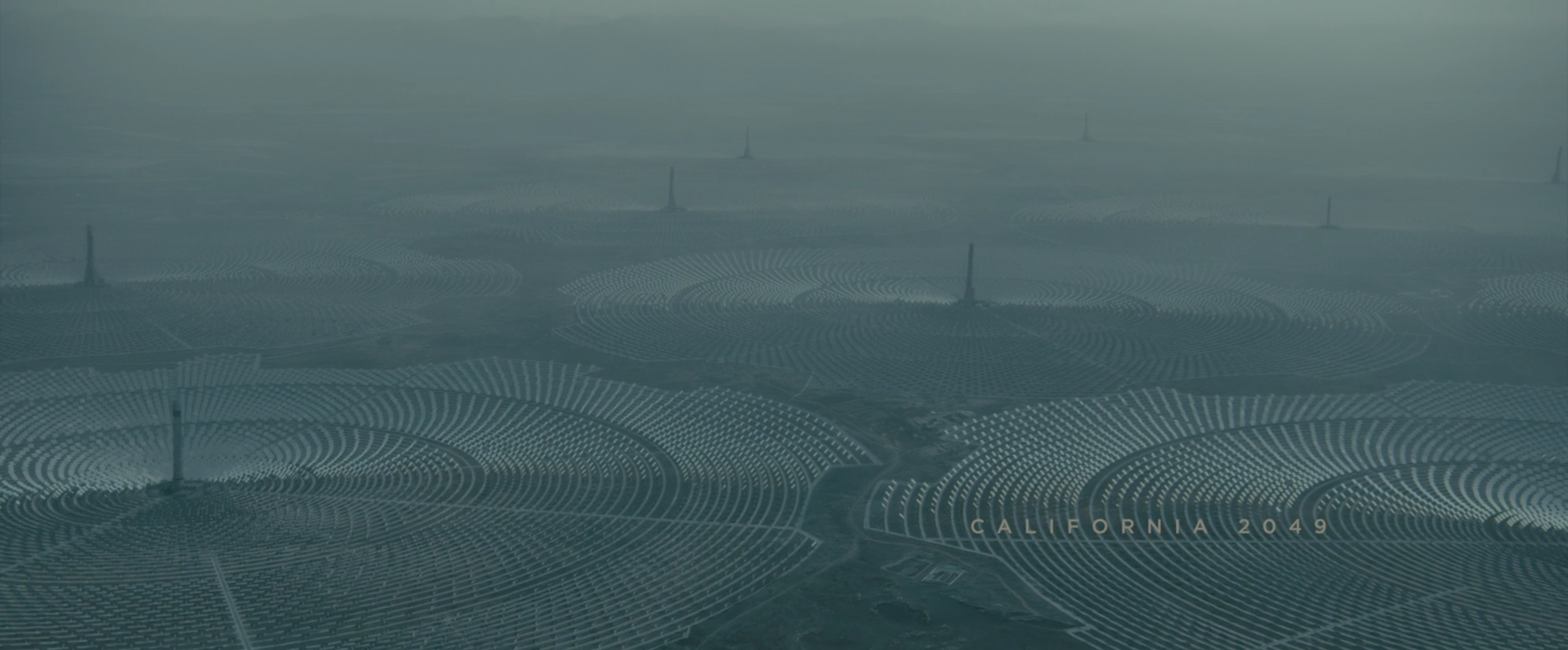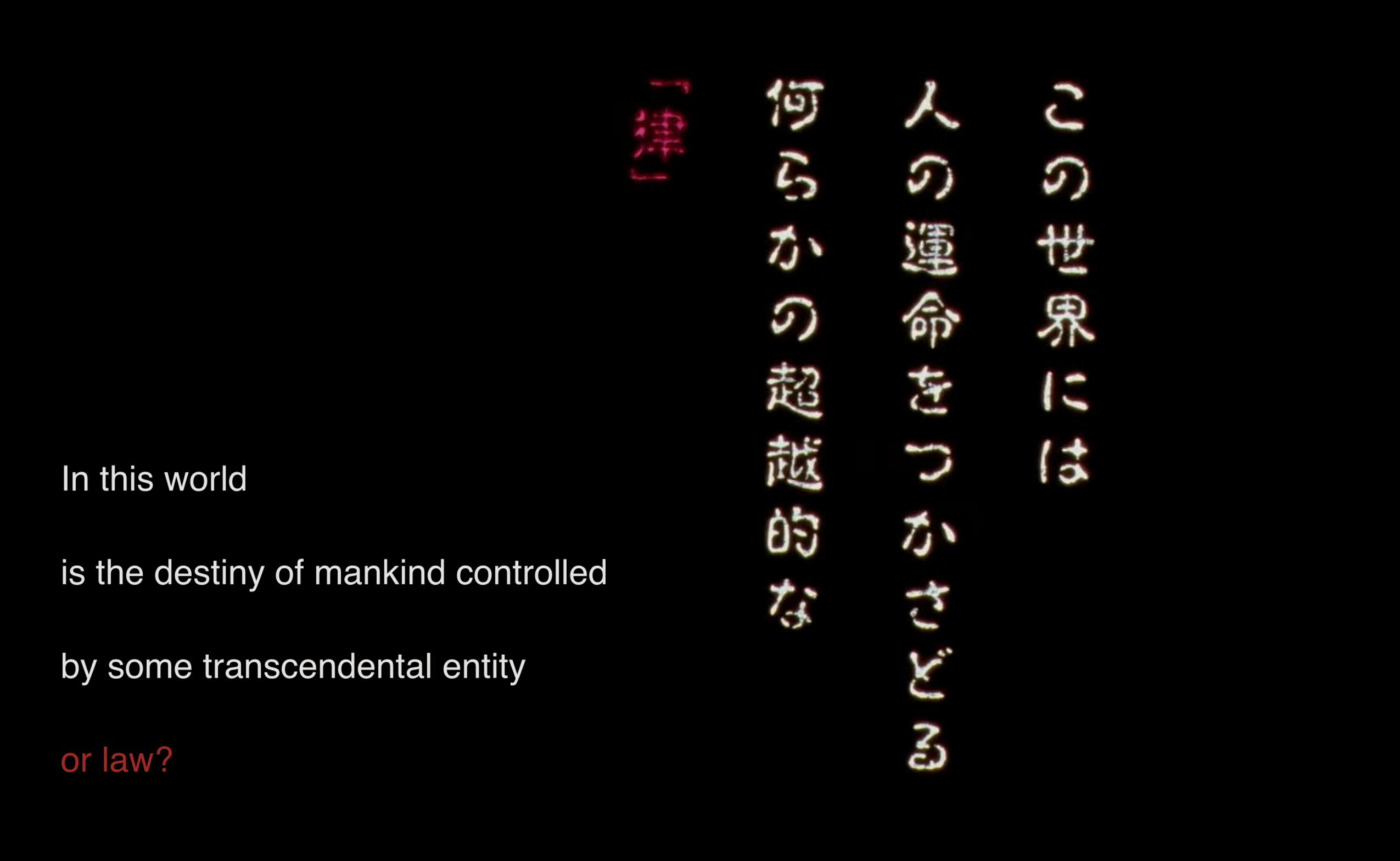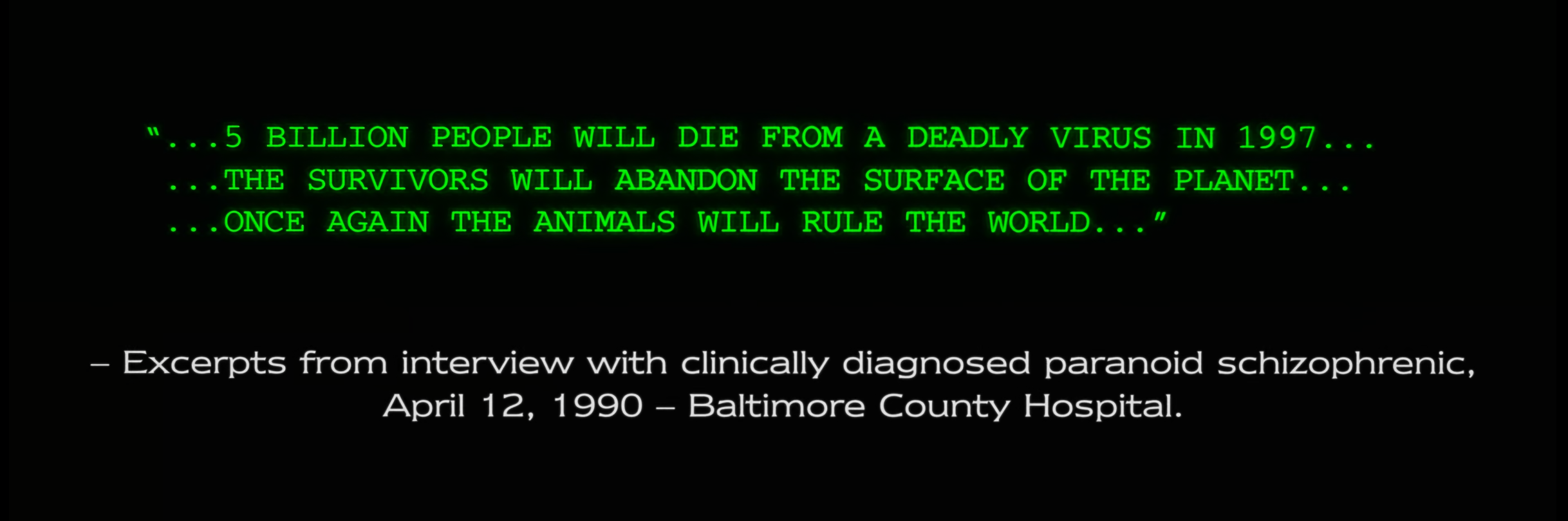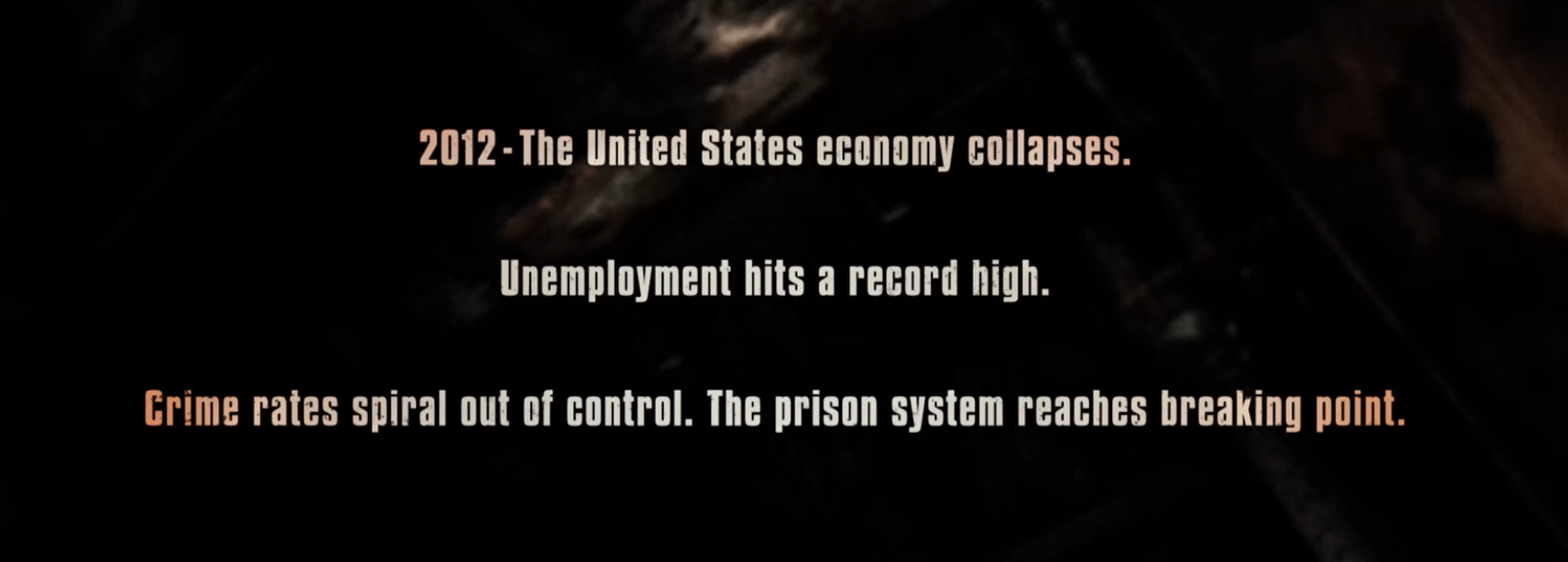
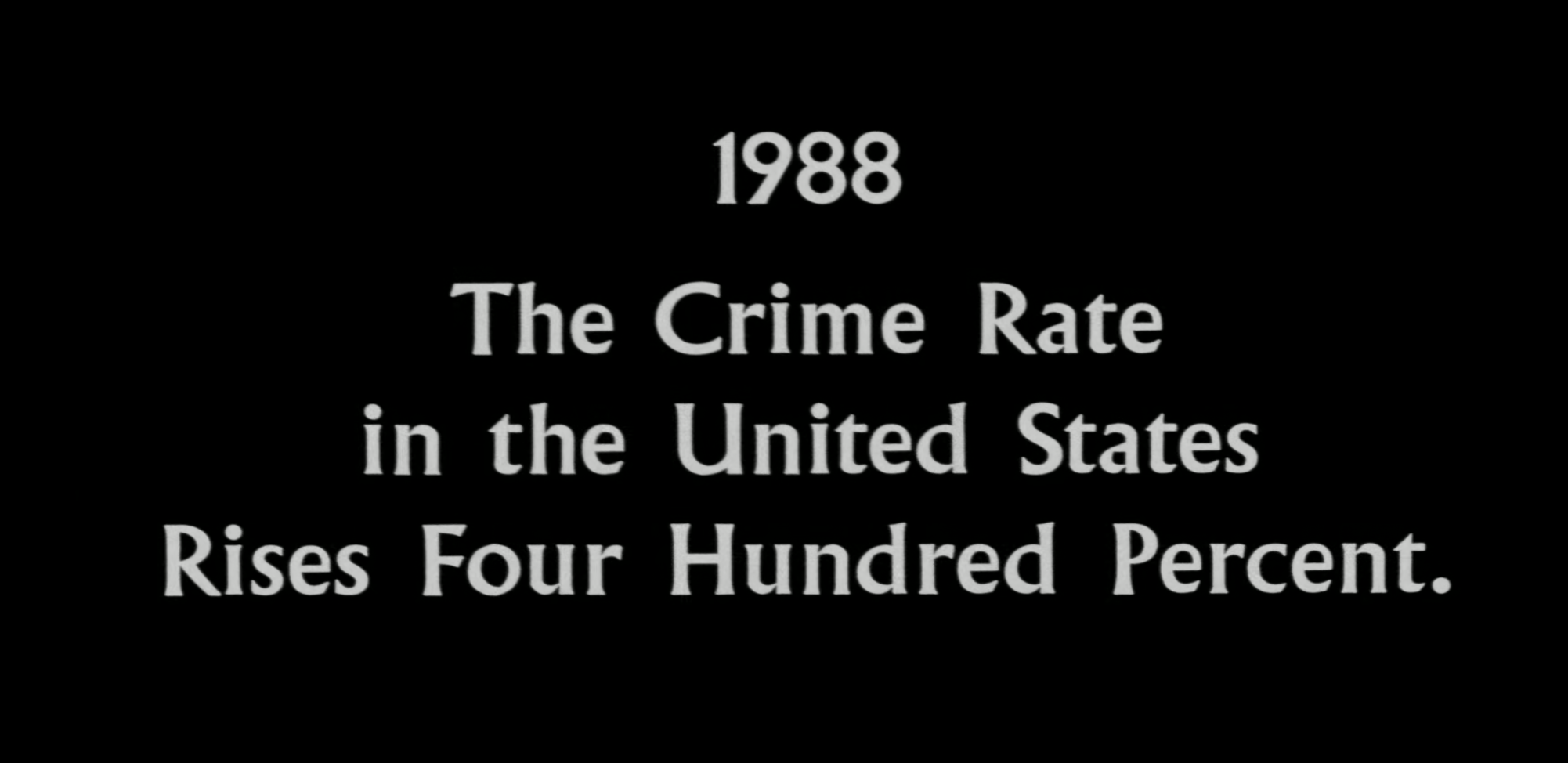
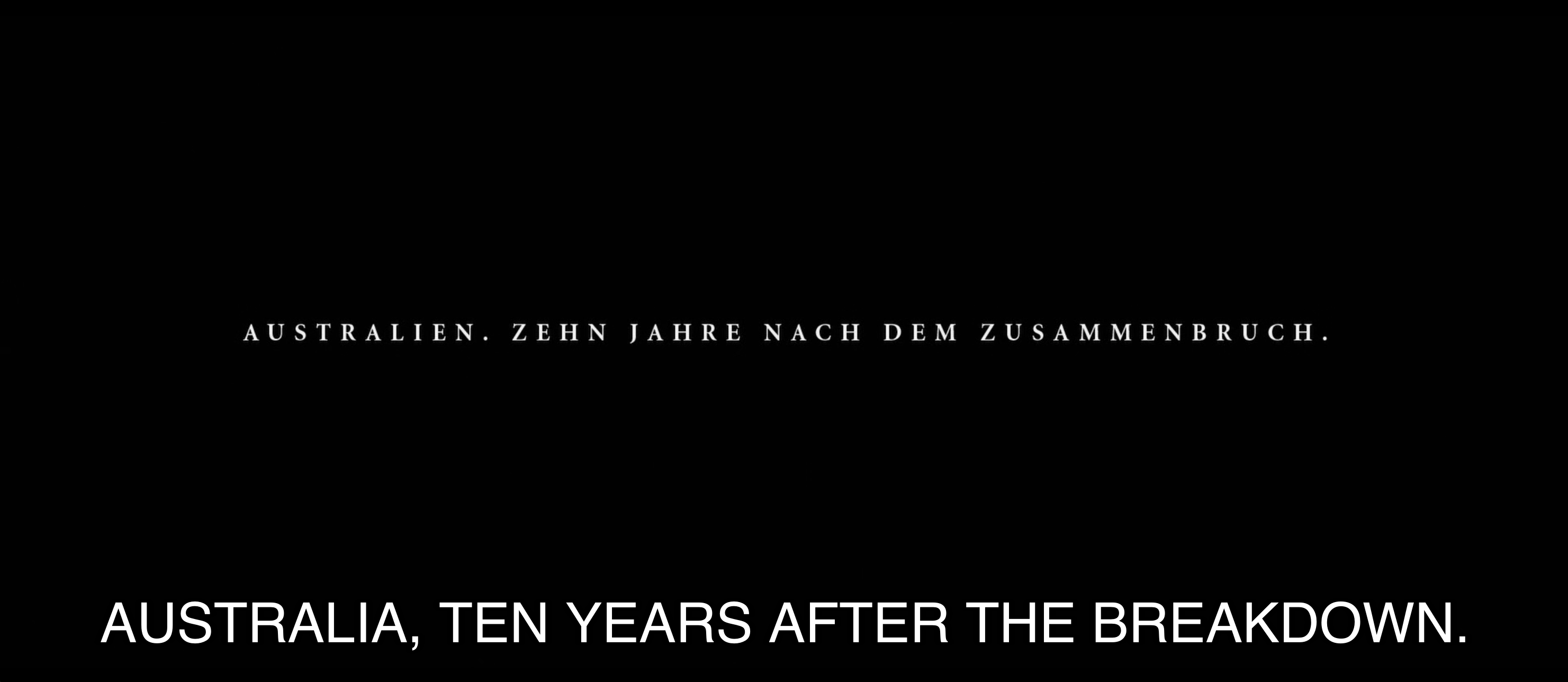


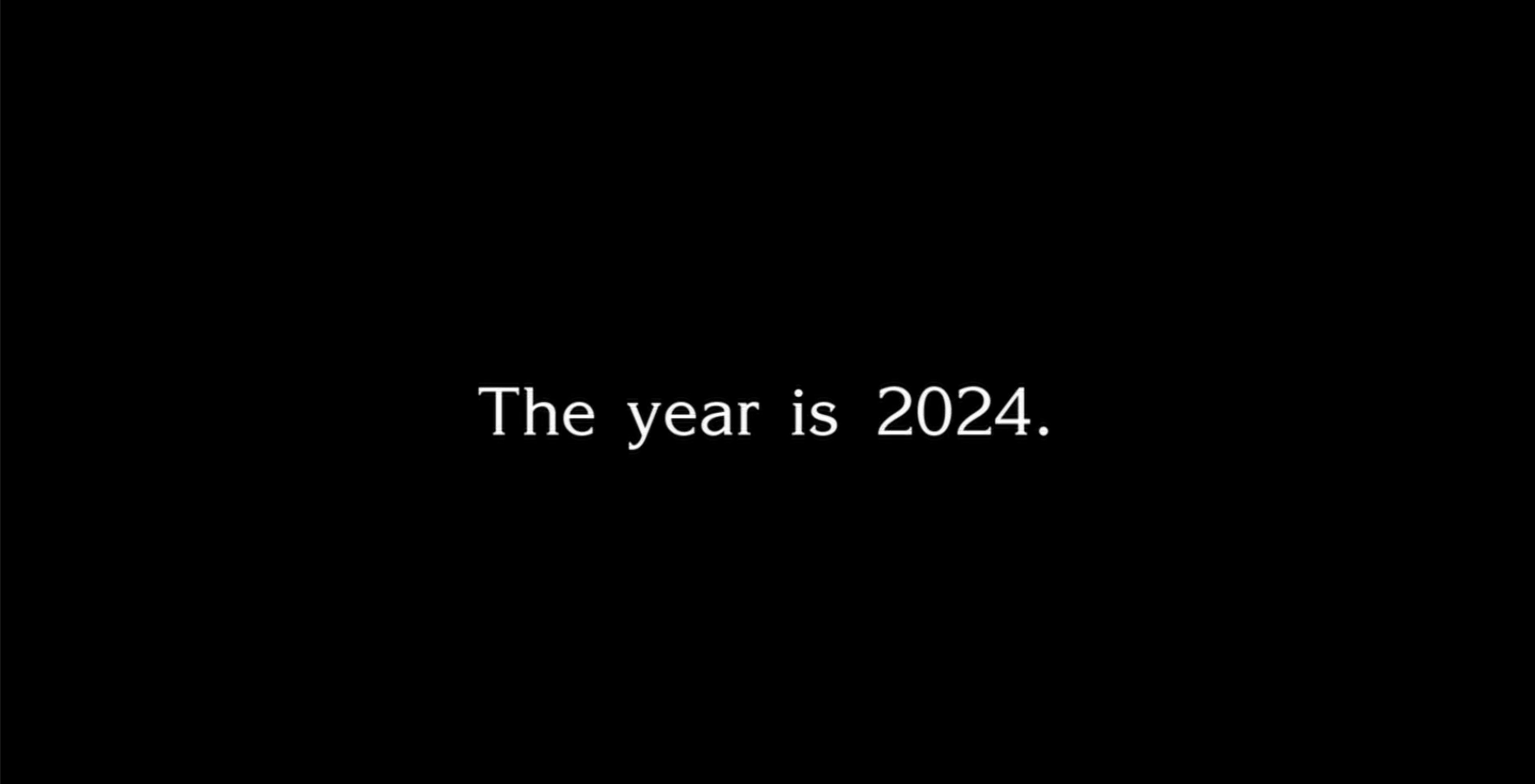
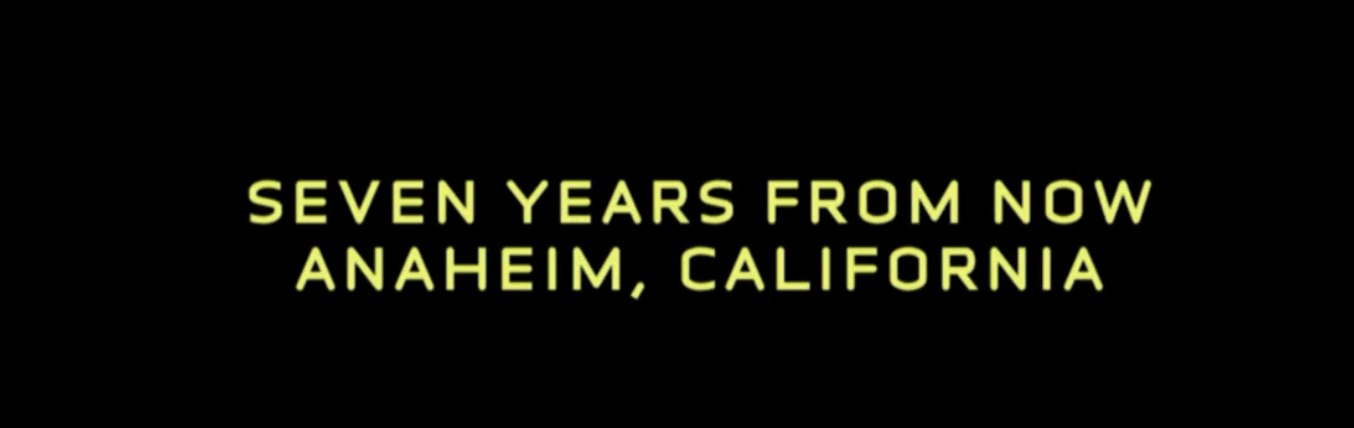





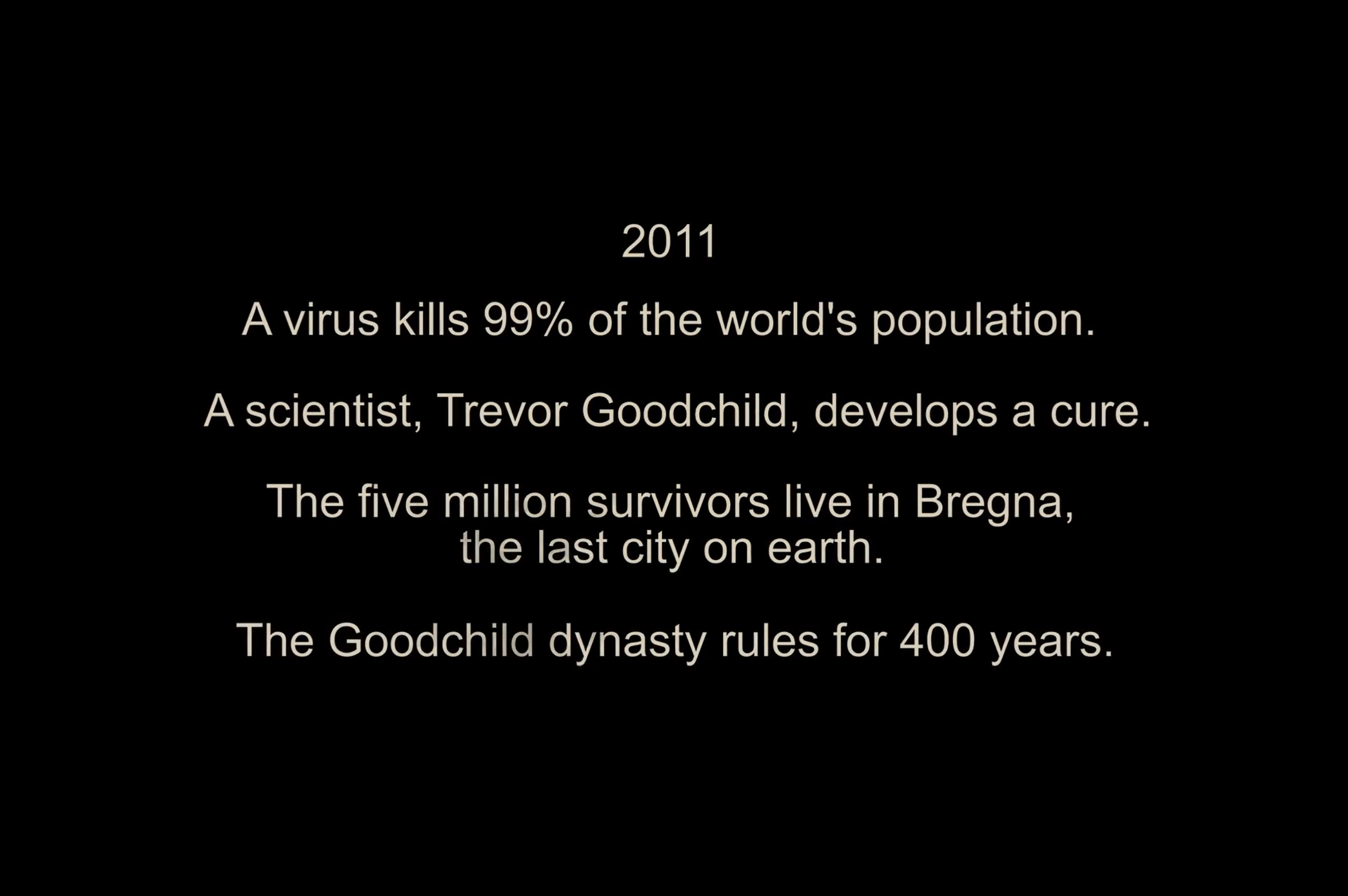
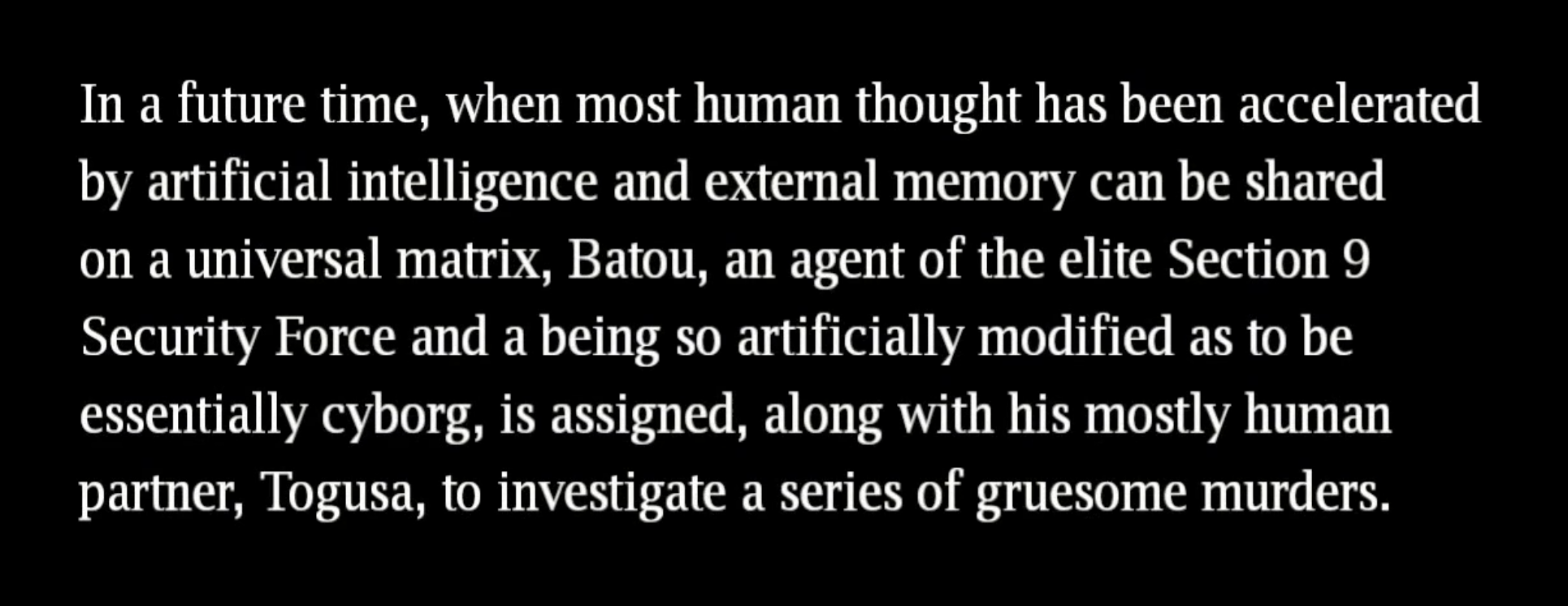





 Dystopian fiction: Not just stories about any bad place (a fictionalized account of living under slavery in the U.S. isn’t properly a dystopia), dystopian fiction is a subgenre or offshoot of utopian fiction that began appearing in the early 20thcentury. Early dystopian texts draw on the experiences of repression in Soviet Russia (Zamyatin’s We (1921) and Ayn Rand’s Anthem (1938)), concerns about loss of identity or freedom in industrial, media-saturated society, and the misuse of science and technology by governments (Brave New World (1932)). The (sub-)genre uses some of the same conventions as utopias and inverts others [see the next post for our definition of utopia]. Dystopias are set in societies whose customs and laws are described in some detail, and in some way repress or harm their citizens: at least from the perspective of the protagonist, narrator, and, probably, reader. They nearly always focus on a single dissatisfied protagonist who is rebelling against societal norms and government structures, even to the point of revolution.
A 6-point plan for avoiding a dystopian future
Dystopian fiction: Not just stories about any bad place (a fictionalized account of living under slavery in the U.S. isn’t properly a dystopia), dystopian fiction is a subgenre or offshoot of utopian fiction that began appearing in the early 20thcentury. Early dystopian texts draw on the experiences of repression in Soviet Russia (Zamyatin’s We (1921) and Ayn Rand’s Anthem (1938)), concerns about loss of identity or freedom in industrial, media-saturated society, and the misuse of science and technology by governments (Brave New World (1932)). The (sub-)genre uses some of the same conventions as utopias and inverts others [see the next post for our definition of utopia]. Dystopias are set in societies whose customs and laws are described in some detail, and in some way repress or harm their citizens: at least from the perspective of the protagonist, narrator, and, probably, reader. They nearly always focus on a single dissatisfied protagonist who is rebelling against societal norms and government structures, even to the point of revolution.
A 6-point plan for avoiding a dystopian future